Buying a Home Before Year-End? What to Know Before Closing
A year-end home purchase can feel like a race against the calendar. Between holiday schedules, lender deadlines, moving plans, and the hope of starting the new year in a new place, it is easy to focus on one number: the purchase price.
That number matters, but it does not tell the whole story.
Before closing, buyers should understand the full cost of ownership, the amount needed on signing day, the title work happening behind the scenes, and the protection they will have after the deed records. A smooth closing is not only about getting documents signed. It is about knowing what you are agreeing to before you receive the keys.
This guide is informational only and is not legal, financial, or tax advice. For questions about your specific transaction, speak with your lender, title professional, real estate agent, or attorney.
Understand the full monthly cost before you commit
The mortgage payment shown in an online calculator is often only part of the monthly cost. Principal and interest are important, but many buyers also pay property taxes, homeowners insurance, mortgage insurance, and association assessments.
That difference can be meaningful.
A buyer might feel comfortable with the principal and interest payment, then discover that taxes and insurance add several hundred dollars to the monthly amount. In some cases, homeowners association dues, condo assessments, or special district charges may also affect the budget.
Before closing, ask for a clear explanation of what your monthly housing cost includes.
A useful question is:
“What will I need to pay each month, and what expenses will I pay separately?”
That one question can help separate the parts collected by the lender from the costs paid directly by the homeowner.
Escrow accounts can affect your payment
Many lenders collect property taxes and homeowners insurance through an escrow account. In that case, part of each monthly payment goes toward those future bills. When the tax or insurance bill comes due, the lender or loan servicer uses the escrow funds to pay it.
This can be helpful because it spreads large annual or semiannual expenses across monthly payments. At the same time, escrowed costs can change.
Property taxes may rise after a reassessment, a change in exemptions, or a new tax year. Homeowners insurance premiums can also change. If the lender reviews the escrow account and finds a shortage, the monthly payment may increase even if the mortgage interest rate stays the same.
That is why buyers should avoid thinking of the monthly payment as fixed unless the lender confirms exactly what is fixed and what may adjust over time.
Association dues deserve attention too
If the property is part of a homeowners association, condominium association, or similar community, ask about regular assessments and any known special assessments.
Regular dues may cover shared amenities, exterior maintenance, landscaping, reserves, or insurance for common areas. Special assessments may be charged for larger projects or unexpected expenses. These payments are separate from the mortgage unless the lender includes them in its qualification review.
Before closing, review the association documents available for your transaction and ask questions early. The monthly budget should reflect the home as it actually functions, not only the loan payment.
Know what you need to bring to closing
Your down payment and your closing costs are not the same thing.
The down payment is the portion of the purchase price you pay upfront. Closing costs are the fees and charges connected with the loan, title work, settlement services, recording, and other transaction requirements. A purchase may also involve prepaid items, such as homeowners insurance, prepaid interest, and funds used to establish an escrow account.
All of these items can affect the final amount due at closing.
That final number is often called Cash to Close. It is the amount the buyer must provide before or at the closing appointment, depending on the payment method approved for the transaction.
Review the Closing Disclosure carefully
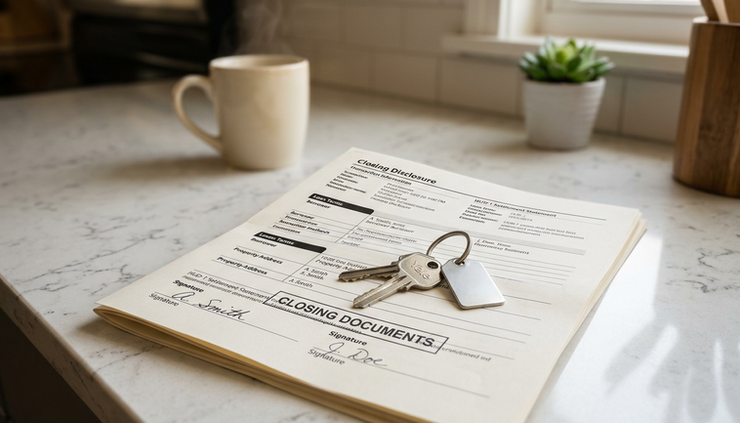
For many mortgage transactions, buyers receive a Closing Disclosure before closing. This document lists important loan terms, projected payments, closing costs, and the amount needed to close.
Compare the Closing Disclosure with your most recent Loan Estimate. The numbers may not be identical, but differences should make sense. Review:
Loan amount and interest rate
Monthly payment details
Estimated taxes, insurance, and assessments
Loan costs and other costs
Seller credits or lender credits
Prepaid items and escrow deposits
Cash to Close
If something changed, ask why. Do not wait until the closing table to raise a question about a fee, credit, or payment amount.
Confirm the approved payment method
Closing funds are usually handled under strict procedures. Buyers may need to send a wire transfer, bring a cashier’s check, or use another approved method. Personal checks are often not accepted for larger amounts.
Because wire fraud is a real risk in real estate transactions, confirm wiring instructions directly with a trusted and verified contact before sending money. Do not rely on last-minute email changes or new instructions that arrive unexpectedly.
A simple rule helps:
Verify before you send funds.
Use a known phone number, not one copied from a suspicious email. If anything feels unusual, pause and call your title company or closing team.
Give title questions attention early
Title work examines public records related to ownership and interests in the property. The goal is to identify matters that could affect the transfer of ownership or the title insurance coverage available for the transaction.
This work may uncover issues that need to be addressed before closing. Examples include unpaid liens, unreleased mortgages, judgments, errors in the recorded ownership history, missing signatures, estate-related concerns, or legal description questions.
Some matters are routine. Others need extra documents, payoff information, corrective instruments, or approval from another party.
During a year-end purchase, timing matters even more. Holidays can affect courthouse hours, lender timelines, government offices, homeowners associations, moving companies, and the availability of people needed to sign documents.
Ask your title team whether anything remains outstanding and what must happen next.
Common title questions buyers should ask
You do not need to understand every title term. You should understand whether any open items could affect your closing.
Good questions include:
Has the title search been completed?
Are there any liens or title issues that still need to be cleared?
Are any payoff statements, releases, or corrective documents still pending?
Are there exceptions to coverage that I should review closely?
Is anything needed from me before closing day?
These questions are especially useful if you have a preferred move-in date, a lease ending, travel plans, or holiday commitments.
Title issues are often easier to solve when they are identified early. Waiting until the final appointment can create stress for everyone involved.
Public records do not always move at holiday speed
Real estate closings depend on several connected steps. The lender may need final underwriting approval. The title company may need updated payoff information. The county or recording office may have limited hours. A seller may need to sign documents from another location.
Near the end of the year, those moving pieces can become harder to coordinate.
That does not mean a year-end closing is a problem. It means communication matters. If you have a deadline, share it early and keep checking on open items.
The best question is not only “Are we closing?” It is also “What still needs to happen before we can close?”
Understand whose interest your title insurance protects
Title insurance can be confusing because there is often more than one policy involved.
A lender’s title insurance policy protects the lender’s interest in the property. If you are getting a mortgage, the lender will usually require this policy. It helps protect the lender if a covered title problem affects the lender’s security interest.
But a lender’s policy does not provide the same protection for the buyer’s investment in the home.
An owner’s title insurance policy is different. It can help protect the homeowner against covered claims involving ownership problems that existed before the purchase. These could include certain undiscovered title defects, recording errors, unknown heirs, or other covered matters, depending on the policy terms.
Coverage is not unlimited. Title policies include conditions, exclusions, and exceptions. That is why buyers should ask their title team to explain what is covered, what is not covered, and what exceptions will appear on the policy.
Ask about owner’s coverage before closing day
Some buyers first hear about owner’s title insurance late in the process. That is not ideal. The better time to ask is before closing, when there is still room to review the cost and understand the choice.
Ask questions such as:
What is the difference between the lender’s policy and the owner’s policy?
What does the owner’s policy generally cover?
What exceptions will appear in my policy?
Is the cost paid once or on a recurring basis?
Who should I contact if a title claim arises later?
The goal is not to become a title expert. The goal is to make an informed decision about protecting your ownership interest.
For many buyers, the home is one of the largest purchases they will make. Understanding title insurance before signing final documents helps avoid confusion later.
Make room for questions before closing day
A closing appointment often feels official and fast-moving. There may be many documents and several signatures. That is not the best moment to raise every question for the first time.
Before the appointment, confirm the practical details:
The final amount due
The approved payment method
The time and location of closing
The identification you need to bring
Any documents required from you
Any unresolved lender or title items
When you can receive keys or take possession
Possession does not always happen at the exact same moment as signing. It may depend on the contract, funding, recording, seller move-out terms, or local practice. Ask before making moving plans that cannot be changed.
Do not ignore small uncertainties
If a number looks different, ask about it. If a document title sounds unfamiliar, ask what it means. If you expected a credit and do not see it, raise the question. If you are unsure whether taxes or insurance are escrowed, ask your lender to walk through the payment.
Clear questions can prevent misunderstandings.
Closing involves legal and financial commitments. Buyers are not expected to know every term, but they should understand the commitments they are making.
That includes knowing what they will owe each month, what they must bring to closing, whether title matters are resolved, and what protection they will have after the purchase.
A year-end closing works best with early communication
Buying a home before year-end can be exciting. It can also come with extra pressure. Holiday schedules, lender requirements, moving timelines, and recording deadlines can make the final stretch feel compressed.
The purchase price is only one part of the decision. The better question is whether the full transaction is clear.
Before closing, take time to review your monthly payment, Closing Disclosure, title status, and title insurance options. Ask direct questions. Confirm payment instructions. Make sure open items are being handled.
Planning a home purchase? Contact EQUES Title to discuss title and closing services for your upcoming transaction at equestitle.com.
A confident closing does not require knowing every real estate term. It requires knowing what you are signing, what you are paying, and what comes next.


Comments